

You bought the tools. You trained the team. You ran the pilots. Yet the productivity line barely moved.
The problem may be where you put the AI.
A working paper from researchers at MIT, Yale, and Microsoft offers a useful explanation: AI’s value depends on how work is sequenced, not just which individual tasks it can do.
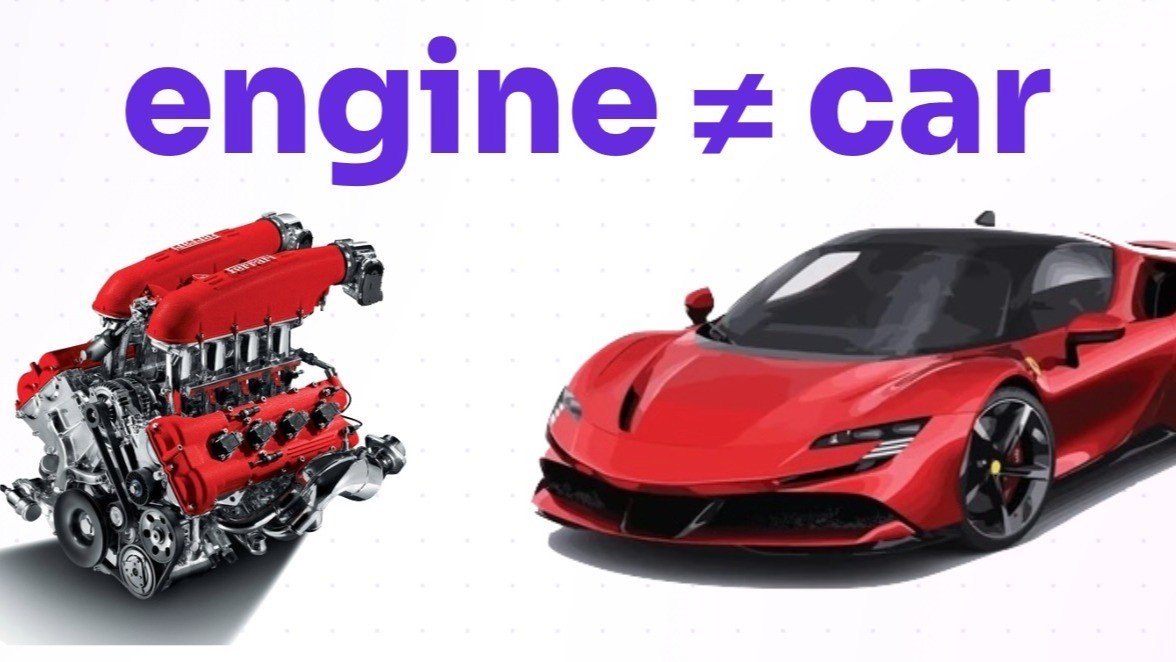
Most work is a chain. One step produces what the next step needs. If you use AI to speed up a single step but keep every handoff around it, you save minutes. If AI can carry several steps through to a result a person can verify, you may remove the handoffs too.
That changes the economics of a workflow. In the researchers’ model, a human reviews the output of an AI run once, at the end of the chain. Adding another step does not automatically add another review. A step that a person could do faster on its own may still be worth giving to AI if it lets the whole chain run without interruption.
It also explains why two processes with the same number of AI-friendly steps can produce very different returns. If those steps sit together, AI can handle a useful stretch of work. If they are scattered between steps that need a person, the process keeps stopping and restarting.
I see this tension every week at bryks.ai, where we help finance clients automate manual workflows. A pilot often begins with the safest possible question: “Can AI do this one step?” Of course it can. That is a useful improvement, but that one step alone in the entire workflow is a necessary but not a sufficient condition to see meaningful productivity gains.
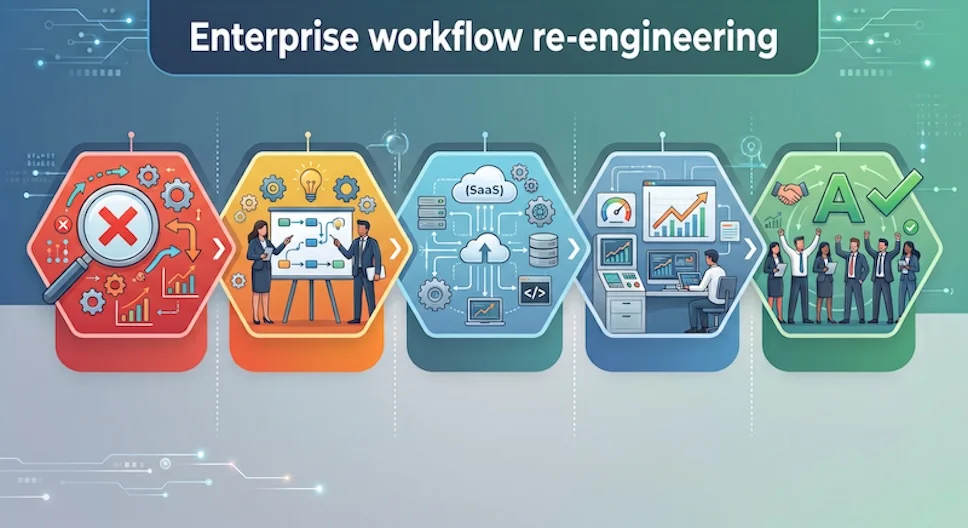
The harder thing to do is, reimagine the entire workflow grounds-up as an AI-native one and then figuring out which parts of that process could run together, and ones where a human judgment is required or check the final outcome.
That question can be uncomfortable especially for experienced professionals. They know why each handoff exists, and they are responsible to clients when something goes wrong. Redesigning the process takes more than installing a tool. It takes someone who can map the work with them, test where AI is reliable, and preserve the checks that matter.
That is a large part of what our Forward Deployed Engineers do. We sit with client leaders and trace the work from start to finish. We look for stretches AI can complete, then decide what evidence a reviewer needs to approve the result. Sometimes the right answer is a longer AI run. Sometimes a human checkpoint stays because an error would be hard to catch later.
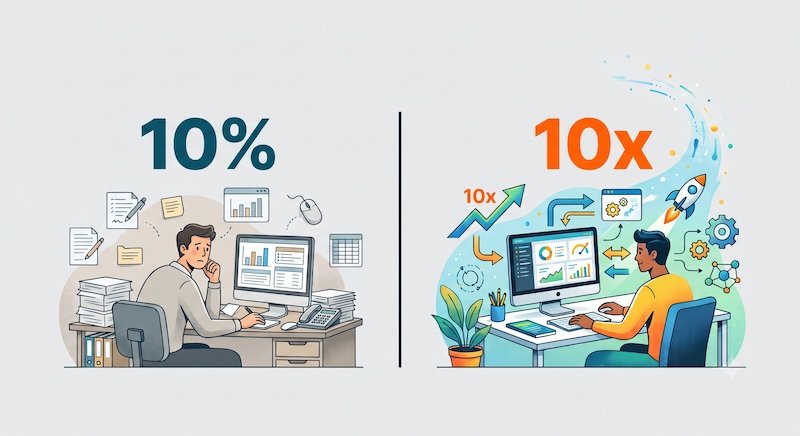
If your AI investment is underdelivering, look beyond the task your pilot made faster. Map the full workflow. Find the steps that can run together. Then measure how much work reaches a verified result with fewer handoffs.
That is where gains much larger than a task-level improvement become possible.
About bryks.ai
bryks.ai deploys Re-Engineers to redesign manual, compliance-heavy workflows as AI-native automations, unlocking operating leverage.
We have helped businesses and their CA firms with Direct Tax (TDS), Indirect Tax (GST) and Audit workflow automations which save them upto 40-50 hrs of manual work per client, while also reducing the error rate by 90%.
Visit www.bryks.ai to schedule a free 30-minute audit call. We identify your highest ROI manual workflows, and redesign them grounds-up so that it can take full advantage of today’s AI capabilities, and achieve the business outcomes.